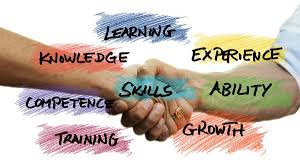
In today’s fast-changing world, the value of education is being redefined. For decades, a university degree was seen as the ultimate key to success, a guarantee of respect, stability, and a good career. Parents encouraged their children to earn degrees, societies measured intelligence by certificates, and employers often filtered candidates based on formal qualifications alone. However, the modern job market tells a different story. Skills—practical, relevant, and adaptable—are now more important than degrees. Skill-based education is emerging as a powerful alternative that aligns better with real-world demands, technological progress, and individual growth.
The Changing Nature of Work
One of the biggest reasons skill-based education matters more today is the rapid transformation of the workplace. Technology is evolving faster than traditional education systems can keep up with. New job roles are being created every year, while many old ones are becoming obsolete. Fields like digital marketing, data analysis, artificial intelligence, app development, content creation, and cybersecurity barely existed a couple of decades ago.
Universities often take years to update their curricula, which means students graduate with outdated knowledge. In contrast, skill-based learning focuses on current tools, techniques, and practices. A person who learns in-demand skills through online courses, workshops, or hands-on projects can be job-ready in months rather than years. Employers today prefer someone who can do the work immediately instead of someone who only understands theory.
Degrees Do Not Guarantee Employment
A major myth of traditional education is that a degree guarantees a job. In reality, millions of graduates around the world struggle with unemployment or underemployment. Many degree holders end up working in fields unrelated to their education, often in roles that do not require a degree at all. This creates frustration, wasted time, and financial pressure due to student loans and expenses.
Employers are increasingly shifting their hiring criteria. Instead of asking, “What degree do you have?” they are asking, “What can you do?” Companies want proof of ability—portfolios, real projects, problem-solving skills, and practical experience. A web developer with strong coding skills and a solid portfolio often has better career prospects than a computer science graduate with no hands-on experience.
Skill-Based Education Encourages Practical Learning
Skill-based education emphasizes learning by doing. Instead of memorizing information for exams, students focus on applying knowledge to real-life situations. This approach builds confidence, creativity, and problem-solving ability. When learners work on actual projects, they understand mistakes, improve faster, and gain experience that textbooks alone cannot provide.
For example, a student learning graphic design through skill-based education will practice using design software, create logos, posters, and branding materials, and receive feedback. By the time they finish learning, they already have work to show clients or employers. This practical exposure makes them more competitive and self-reliant.
Flexibility and Accessibility
Skill-based education is far more flexible than traditional degree programs. Degrees usually require fixed schedules, long durations, and significant financial investment. This structure does not suit everyone, especially working adults, freelancers, or people from low-income backgrounds.
Skill-based learning can be done online, part-time, or at one’s own pace. Many platforms offer affordable or even free courses, making education accessible to a wider audience. Anyone with an internet connection can learn valuable skills regardless of age, location, or academic background. This democratization of education empowers individuals who were previously excluded from higher education due to financial or social barriers.
Faster Career Growth and Adaptability
In the modern economy, career paths are no longer linear. People change jobs, industries, and even professions multiple times in their lives. Skill-based education prepares individuals for this reality by teaching adaptability. Instead of relying on a single degree earned years ago, learners continuously upgrade their skills to stay relevant.
This mindset of lifelong learning is crucial. A professional who regularly learns new skills can pivot easily when industries change. For instance, a traditional marketing graduate who learns digital marketing skills like SEO, social media advertising, and data analytics can grow much faster than someone who depends only on their original degree.
Entrepreneurship and Freelancing Opportunities
Skill-based education also fuels entrepreneurship and freelancing. Many people today prefer to work independently, start their own businesses, or earn online. Skills such as content writing, video editing, programming, digital marketing, and e-commerce management allow individuals to generate income without waiting for traditional job offers.
Degrees rarely teach how to start a business, find clients, or manage real-world challenges. Skill-based learning, on the other hand, often includes practical insights into market needs, client communication, and problem-solving. This enables learners to become job creators instead of job seekers.
Reduced Financial Burden
The cost of higher education has increased dramatically. Many students spend years paying off loans after graduation, sometimes without securing a stable job. Skill-based education offers a cost-effective alternative. Short courses, certifications, and training programs usually cost much less than full degree programs and provide quicker returns on investment.
When individuals invest in learning a specific skill, they can start earning sooner. This reduces financial stress and allows people to support themselves and their families without long-term debt.
Employers Value Skills Over Titles
Many leading companies have openly stated that they value skills more than degrees. Tech giants, startups, and even traditional organizations are removing degree requirements from job listings. They focus on skills, experience, and cultural fit instead. This shift highlights a growing recognition that talent is not limited to formal education.
Skill assessments, practical tests, and project-based evaluations are becoming common in recruitment processes. This creates a fairer system where individuals are judged based on ability rather than academic background.
Conclusion
While degrees still have value in certain professions such as medicine, law, and engineering, they are no longer the only path to success. In today’s dynamic world, skill-based education is more relevant, practical, and empowering. It aligns with industry needs, promotes lifelong learning, reduces financial burden, and opens doors to diverse career opportunities.
The future belongs to those who can learn, adapt, and apply their knowledge effectively. Skills turn knowledge into action, ideas into results, and potential into success. In this era, what you can do matters far more than the title printed on your degree certificate.