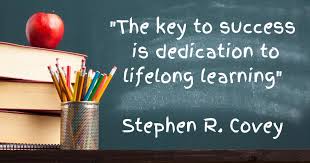
In today’s fast-paced world, knowledge and skills can become outdated quickly. The career landscape is constantly evolving, and new technologies, industries, and job roles emerge every year. In 2025, the key to staying ahead is not just formal education — it’s lifelong learning.
Lifelong learning is the continuous pursuit of knowledge and skills throughout your life, whether for personal growth, career advancement, or sheer curiosity. It’s no longer optional; it’s essential.
Lifelong Learning and Career Growth
Employers today value adaptability more than any degree. Professionals who keep updating their skills can handle new challenges, contribute to innovation, and stay relevant in competitive fields. Lifelong learning ensures you are not left behind in a rapidly changing job market.
For example:
- A software developer learning new programming languages stays competitive.
- A marketing professional mastering AI-powered analytics tools can offer more value to their organization.
Benefits of Lifelong Learning
1. Personal Development:
Learning continuously improves your thinking, problem-solving skills, and emotional intelligence. It boosts confidence and helps you make better decisions in all areas of life.
2. Career Opportunities:
New skills open doors to promotions, job switches, and entrepreneurial opportunities. Employers notice and reward employees who actively learn and grow.
3. Mental Health Benefits:
Engaging your mind with learning reduces stress, enhances memory, and keeps cognitive abilities sharp. Lifelong learning is like exercise for your brain.
4. Adaptability:
Life is unpredictable. Lifelong learners can adapt to changes faster because they embrace growth and are open to new ideas.
How to Practice Lifelong Learning
- Read Regularly: Books, articles, and journals keep you informed and expand your perspective.
- Take Online Courses: Platforms like Coursera, edX, and Udemy offer flexible learning for any skill.
- Attend Workshops and Webinars: Short-term training can provide valuable knowledge quickly.
- Learn From Experience: Every challenge or failure teaches lessons — reflect and apply them.
- Connect With Experts: Mentorship and networking allow you to gain insights from experienced professionals.
Lifelong Learning in the Digital Age
Technology has made lifelong learning easier than ever. Online resources, AI-powered learning platforms, and mobile apps allow you to study anywhere, anytime. In 2025, even busy professionals can dedicate just 15–30 minutes daily to skill improvement, which compounds into significant growth over time.
Overcoming Challenges
Staying motivated can be challenging. To maintain consistency:
- Set small, achievable goals.
- Track your progress.
- Reward yourself for milestones.
- Join online learning communities for accountability and support.
The Mindset of a Lifelong Learner
A lifelong learner is curious, resilient, and proactive. They embrace change, seek opportunities to grow, and never stop improving. This mindset transforms challenges into opportunities and ensures long-term personal and professional success.
Conclusion
Lifelong learning is the ultimate key to success in 2025 and beyond. It empowers you to stay relevant, adaptable, and confident in a constantly changing world.
The future belongs to those who never stop learning. By cultivating curiosity, developing new skills, and embracing continuous growth, you can achieve both personal fulfillment and career excellence.
Success isn’t just about what you know today — it’s about your commitment to learning tomorrow.